Industrial manufacturing is changing fast. Robots, sensors, data platforms and new materials are reshaping how factories design, build and ship products. Companies that invest in technology and people can raise quality, cut waste and respond faster to customers. This article explains the main technology trends in industrial manufacturing, how a growing group of companies can adopt them step by step and how language and documentation affect work across borders.
Automation and Robotics
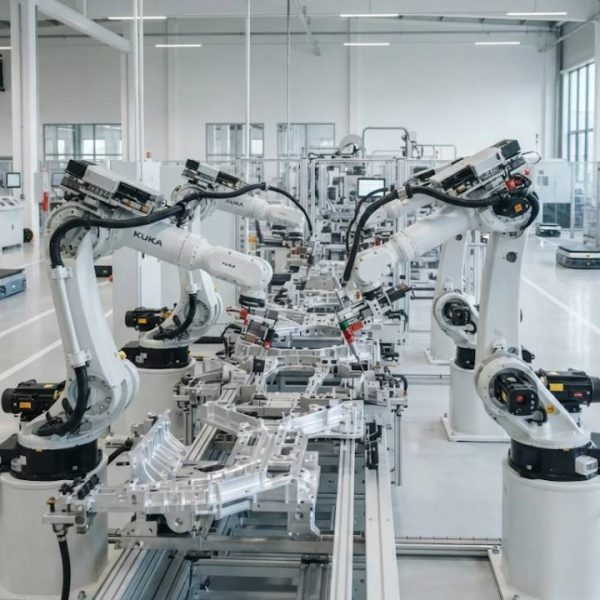
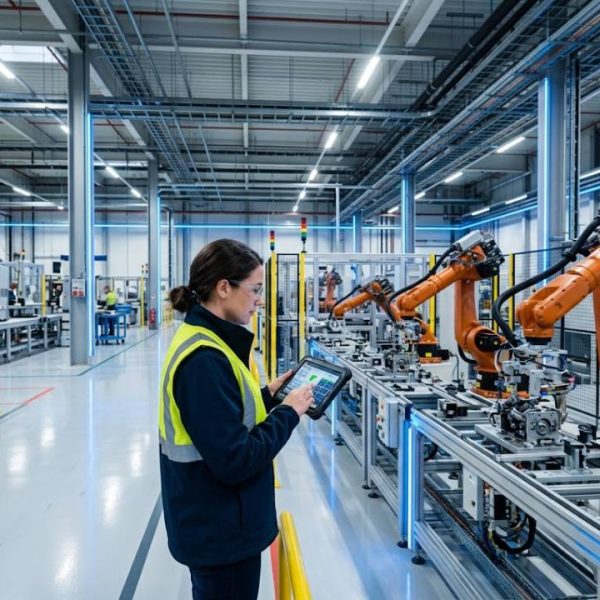
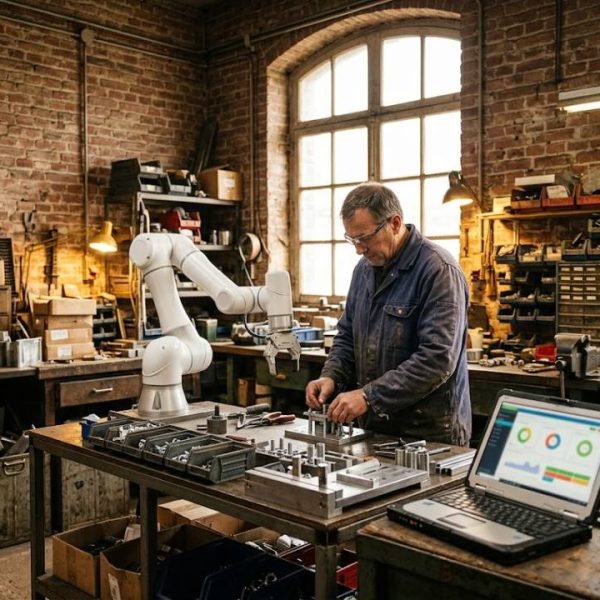
Modern robots handle welding, assembly, packing and inspection with high precision. Collaborative robots can work next to people without cages, taking over repetitive or heavy tasks. The benefit is not only speed but also consistency and safer working conditions.
Automation works best when it frees people for tasks that need judgment.
Sensors and the Industrial Internet
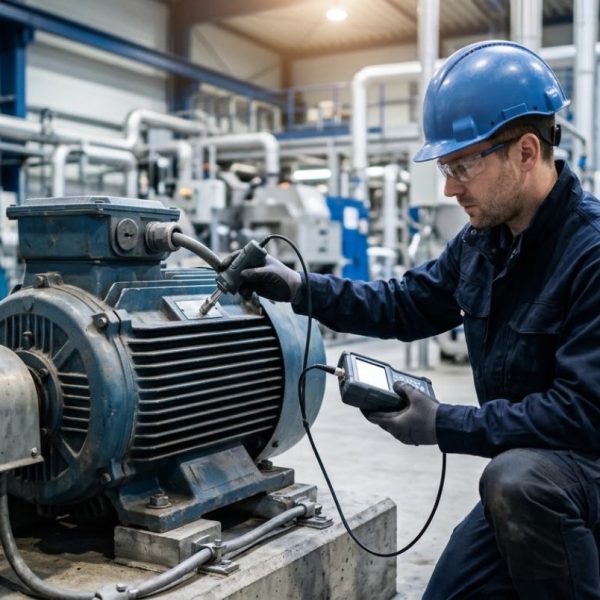
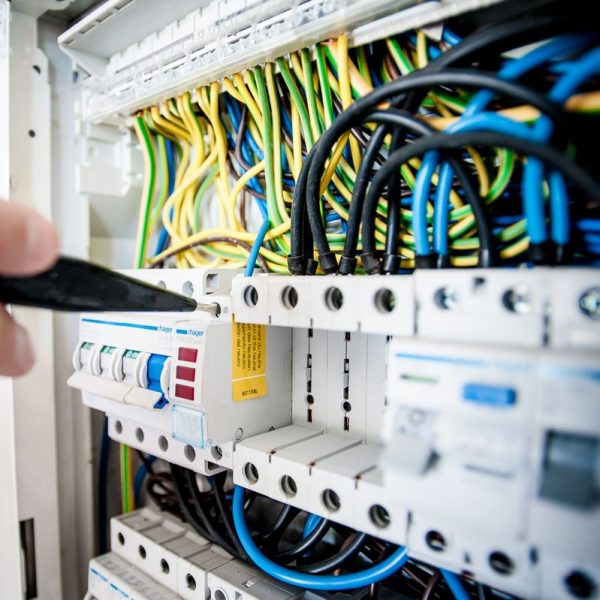
Sensors on machines measure temperature, vibration, pressure and speed. Connected systems send this data to dashboards, where teams can spot problems before they stop a line. Predictive maintenance reduces unplanned downtime and spare part costs.
Data turns maintenance from reaction into planning.
Digital Twins and Simulation
A digital twin is a virtual copy of a machine or a whole factory. Engineers test changes in the model before touching real equipment, which lowers risk and cost. Simulation also helps train staff and plan layouts.
Testing in software is cheaper than testing on the floor.
Additive Manufacturing
Three dimensional printing makes prototypes, tools and sometimes final parts in metal or plastic. It allows complex shapes, short runs and fast design changes. It does not replace every process, but it adds flexibility.
Printing brings design ideas to life quickly.
Quality Control With Vision Systems
Cameras and software inspect products for defects faster than the human eye. Combined with clear standards, they catch problems early and record data for improvement. Guidance from institutions such as the National Institute of Standards and Technology supports measurement and standards that industry relies on.
Reliable measurement is the foundation of quality.
Energy Efficiency and Sustainability
Energy prices and regulations push factories to save power and reduce waste. Heat recovery, efficient motors, better scheduling and recycled materials all help. Tracking energy use by machine shows where improvements pay off.
Efficiency is good for the planet and for profit.
People and Skills
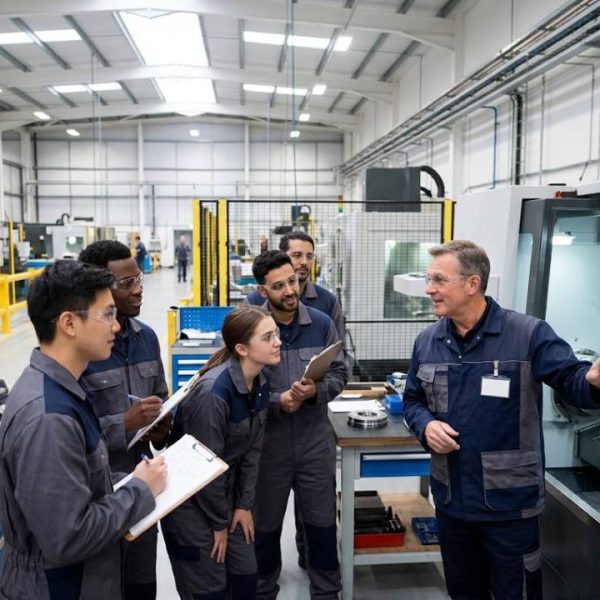
New technology needs trained people. Operators learn to read dashboards, technicians learn software and engineers work with data. Short courses, mentoring and apprenticeships help staff grow with the equipment.
Investing in people multiplies the value of investing in machines.
Documentation Across Borders
Factories that export or work with international suppliers must share manuals, drawings and safety instructions in several languages. Clear, consistent documents prevent errors on the line. Companies selling into Central Europe often use czech translation services for technical manuals, labels and contracts.
Good documentation protects workers and customers.
The same logic applies to buildings, where building information modeling gives every team one shared digital model of the structure, carrying geometry, materials, costs and schedules instead of separate drawings and spreadsheets. When architects, engineers and contractors all work from that single model, a change made in one office is visible everywhere at once, and the mistakes that come from outdated documents simply do not happen. The model also stays useful after handover, guiding maintenance, refurbishment and future extensions with reliable information about what was actually built. For construction projects that cross borders, that shared digital record is often what turns a pile of translated documents into a team that builds from the same plan.
Using Machine Translation Carefully
Automatic tools speed up draft translations of large manuals, but technical terms and safety statements need expert checks. Our guide on machine translation post editing explains how to combine software with human editors to keep quality high.
Review is not optional for safety critical text.
Supply Chain Visibility
Tracking materials and parts from suppliers to delivery helps avoid shortages and delays. Shared data platforms let partners see orders and inventory. Clear communication in each partner's language reduces misunderstanding.
Visibility turns the supply chain into a partnership.
Cybersecurity in the Factory
Connected machines can be targets for attacks. Segment networks, update software, control access and train staff to spot suspicious messages. Backups and response plans limit damage if something happens.
Security must grow together with connectivity.
Start Small and Scale
Choose one line or one problem, test a solution, measure results and then expand. Pilot projects reduce risk and build confidence. Share lessons across plants so each new project starts stronger.
Small wins create momentum for larger change.
Measure What Matters
Track overall equipment effectiveness, defect rates, energy use, delivery times and safety incidents. Review the numbers in short weekly meetings and decide on clear actions. Honest data guides better decisions than opinions.
What gets measured gets improved.
Choosing Technology Partners
Look for suppliers who understand your process, offer training and support and use open standards where possible. Ask for references from similar plants and plan integration with existing systems.
A good partner solves your problem, not just sells a product.
A Practical Roadmap
Map current processes, list the biggest pain points, rank ideas by impact and effort, run pilots and train staff. Review progress every quarter. A clear roadmap helps managers, engineers and operators move in the same direction.
Steady progress beats dramatic announcements.
Energy Storage and Smart Grids
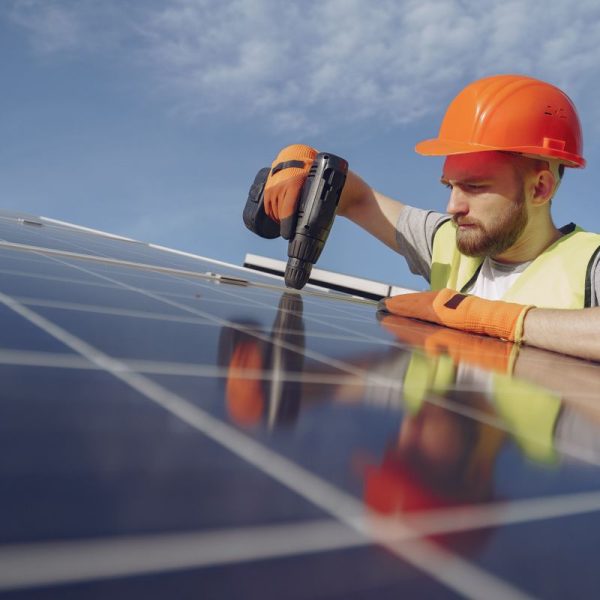
Large plants increasingly add batteries, solar panels and smart meters to reduce peak costs and increase resilience. Software shifts heavy loads to cheaper hours and records the results. These steps lower bills and support sustainability goals.
Smart energy use is becoming a competitive advantage.
Designing Safer Workplaces
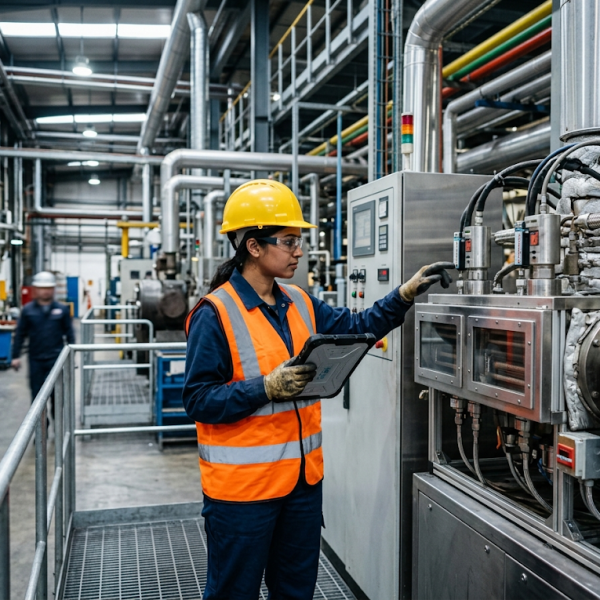
Technology can protect people through light curtains, wearable sensors and clear warning systems. Training and daily habits remain essential. Involve operators when you design new stations, since they know where accidents almost happen.
Safety improves when workers help design it.
Working With Universities and Start Ups
Partnerships with research groups and young companies bring new ideas and talent. Pilot projects, internships and shared labs let manufacturers test technologies before large investments. Clear agreements on data and ownership prevent disputes.
Open collaboration speeds up innovation.
Planning Investment
Estimate payback time, include training and maintenance costs and compare several options. Consider financing programs and grants that support modernization. A realistic budget protects projects from stopping halfway.
Good planning turns ideas into funded projects.
Most Read
Featured Posts